
Engagement Rings
Research Insight-How to Decide How Much to Spend on an Engagement Ring
Published: Oct 27, 2025
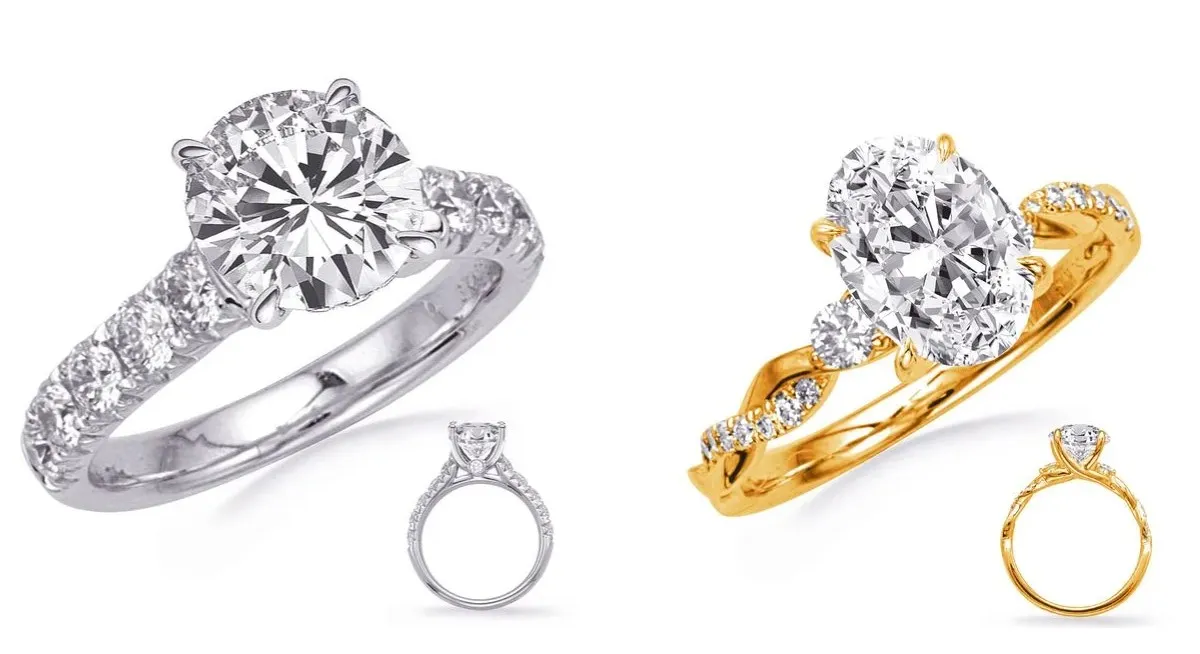
Introduction
Wow. You’re at the moment where you’re thinking, “How much should I spend on an engagement ring?”
It’s a question many couples wrestle with—and for good reason. In the U.S., the average cost of an engagement ring is often cited at $5,200 per recent data. (The Knot) And surveys show that some 29% of purchasers spend between $2,500 and $5,000, while 21% spend $5,000 to $10,000. (Rapaport)
You might well be asking: is there a “right” amount? Or is it subjective, based on financial reality, relationship dynamics, and style preferences?
Key takeaways you’ll learn here:
Practical methods for setting a ring budget that fits your life
How to balance style, quality, and cost in the ring you choose
Steps you can take—before buying—to ensure you get results you’ll love
How a trusted jeweller (like Peran & Scannell Jewelers) can support your process
By the end, you’ll feel confident in defining your own “sweet spot”—neither underwhelmed nor overstretched—and able to act toward getting an engagement ring you’ll cherish.
1. Why the “average” number doesn’t have to dictate your spend
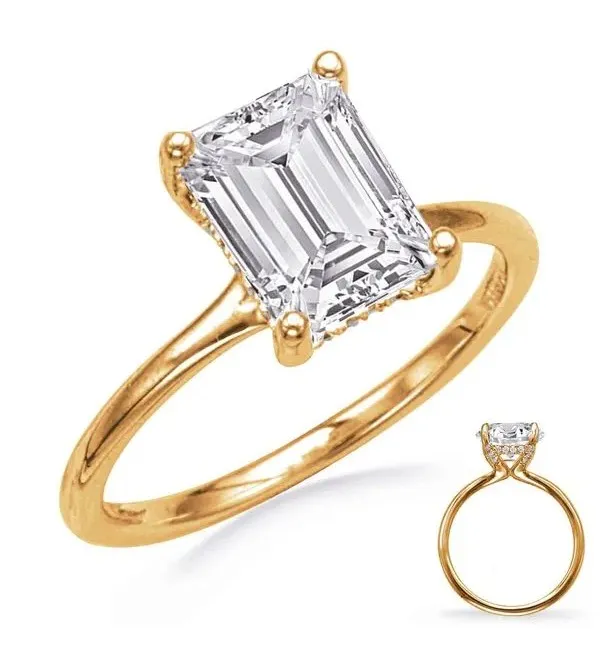
When you read “average $5,200,” you might feel pressure—like that’s a target you must hit. But averages are just snapshots of broad data; they don’t know your situation.
Here’s what to keep in mind:
Averages mask extremes. Some rings cost a few hundred; others go into six or seven figures.
Location matters. In high-cost regions, average spend is often higher. (World Population Review)
Your finances and priorities matter more. What feels comfortable should weigh more than what others spend.
The “rules” (e.g. three-months’ salary) are marketing myths. Many experts now reject them. (American Express)
Trends shift. Lab-grown diamonds are bringing fresh flexibility into budgeting and design.
So: think of “average” as a ballpark, not a mandate. Your best budget is the one you can afford without regret or stress.
2. Methods to decide your engagement ring budget
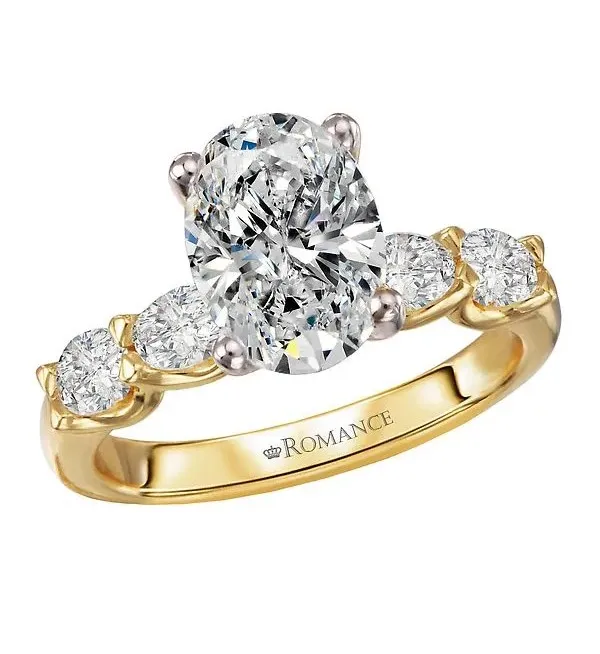
Here are several methods you can use (alone or in combination) to define a budget you feel good about:
1. Income-based method
You might choose a percentage of your gross or net income you’re comfortable spending (e.g. 1–3 %). This is more realistic than the “three-months’ salary” rule many deem outdated. (American Express)
2. Expense-first method
Subtract your planned wedding, honeymoon, home, savings goals, debt payments, etc. from your disposable budget. Use the remainder for your ring (or decide what portion you’re willing to allocate).
3. Prioritization method (“swap and save”)
Decide which features (stone size, setting design, metal choice, brand name) matter most to you. Then trim or simplify in lower-priority areas to free up budget for what you care about most.
4. Tiered benchmarking method
You can bracket tiers (e.g. “entry,” “mid,” “premiere”) based on what your local jewellers offer, test ring options at those tiers, and choose the one where you feel the most satisfaction for the price.
5. Co-design planning
If you’re buying together (or want partner input), sit down and set a comfortable range together. Transparency helps avoid surprises and ensures the ring aligns with shared values.
Once you pick a method (or blend), you have a concrete number or range to guide design decisions.
3. What influences how much you’ll actually spend
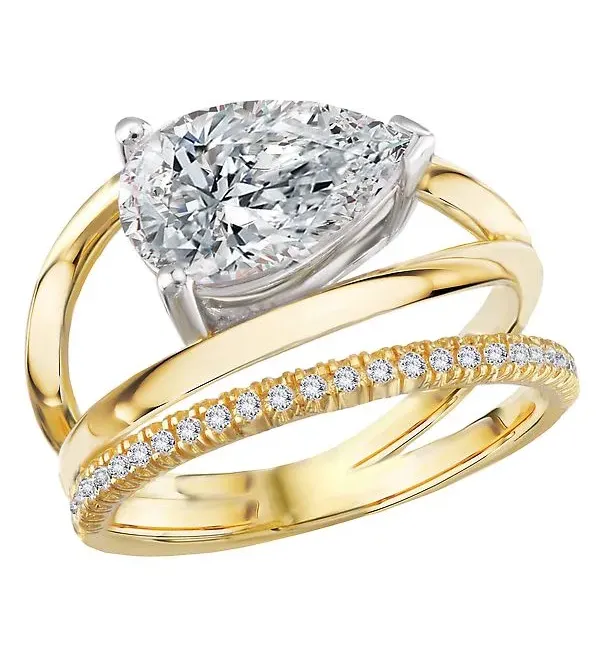
Knowing what drives cost helps you make smarter trade-offs. Key factors include:
The center stone (or focal gemstone)
Carat (size), cut quality, color, clarity are major cost drivers
Whether stone is natural or lab-grown (lab options often cost less)
Setting style
Simple solitaire settings cost less than halo, pavé, three-stone, or intricate designs
More craftsmanship, metal weight, and customization raise cost
Metal type and weight
Platinum, high karat gold (18K) are costlier than 14K gold or mixed metals
Heavier bands or antique styles require more material/skill
Brand, designer, or customization markup
Brand reputation, exclusive designs, custom tweaks add fees
But customization can also let you get more value in areas you care about
Additional diamonds or accents
Side or accent stones, pavé work, milgrain, engraving all add to cost
Jeweller overhead, warranty, and services
Local shops (like Peran & Scannell Jewelers) provide quality assurance, sizing, adjustments, aftercare—some of which justify higher price
Market and supply dynamics
Commodity costs (gold, platinum), tariffs, supply constraints can push prices
Trends like rising demand for lab diamonds shift cost structure over time
When deciding, always ask the jeweller to break down how your money is being spent. That transparency gives you power.
4. Practical steps to get the best outcome
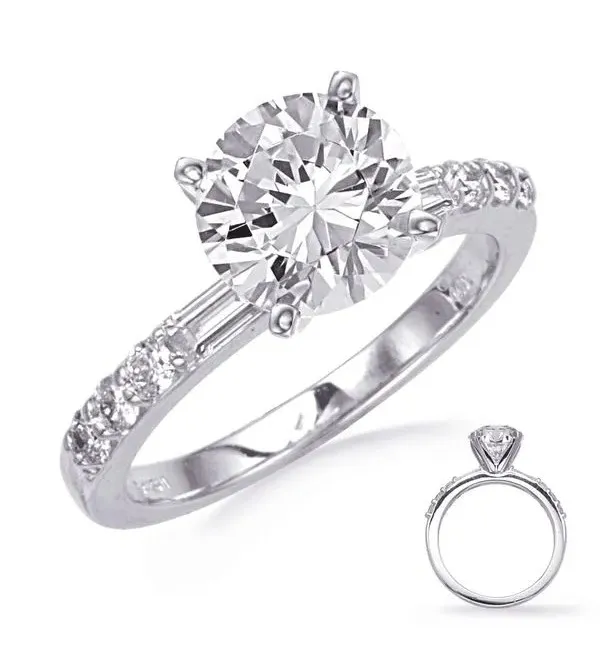
Here’s a tactical plan you can follow to apply the above insights and arrive at a ring you’ll love:
Step A: Set your budget range
Use one or more of the methods above to pick a comfortable minimum and maximum
Include a buffer (e.g. 5–10 %) for surprises or upgrades
Step B: Visit trusted local jewellers (or book consults)
Bring your budget range and ask to see rings in that spectrum
Ask for sketches or physical mockups when possible
Talk through trade-offs: e.g. “If I drop clarity one grade, what do I gain elsewhere?”
Step C: Request full breakdowns
Ask them to itemize how much of the cost is stone vs setting vs labour
Ask if customization or design changes will incur additional costs
Step D: Consider lab-grown or alternative gemstones
Lab diamonds often let you increase size or quality for the same money
Other gemstones (moissanite, sapphires, etc.) might offer distinctiveness at lower cost
Always check certification and durability
Step E: Try on multiple rings
Your eye should guide quality more than specs. Try rings in natural light.
Wear for a few hours if possible to test comfort
Step F: Discuss sizing, warranties, and aftercare
Confirm resizing policies (cost, limit, time)
Check maintenance, cleaning, or repair plans (some shops bundle these)
If needed, plan for insurance or ring appraisal
Step G: Make the purchase decision
Once you settle on the ring that maximizes your satisfaction within your budget, make the purchase
Keep all documentation: receipts, certificates, design specs
Throughout this, a jeweller experienced in engagement rings (like Peran & Scannell Jewelers) can act as your guide—helping you avoid traps, align trade-offs, and land on a result you’ll love.
5. Psychological & relational considerations
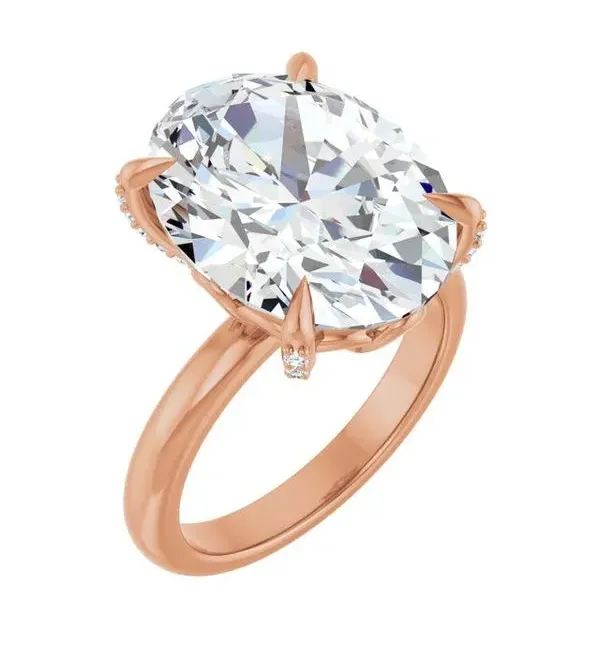
Beyond dollars and diamonds, your decision affects emotional and relational dynamics. Keep these in mind:
Avoid comparing your ring spend to friends or media images—they often don’t share your priorities or situation
Communication matters. If your partner expects input or has preferences, invite their involvement
Emotional value vs money value. Sometimes a thoughtful design or meaningful detail matters more than carat size
Respect for debt and long-term goals. Overspending to “prove love” may create strain later
Flexibility for future upgrades. Some couples start with one ring and later upgrade without starting fresh
In short: the “right” spend is one that feels generous, meaningful, and aligned—not one that causes stress.
6. Real-world cost ranges & statistics
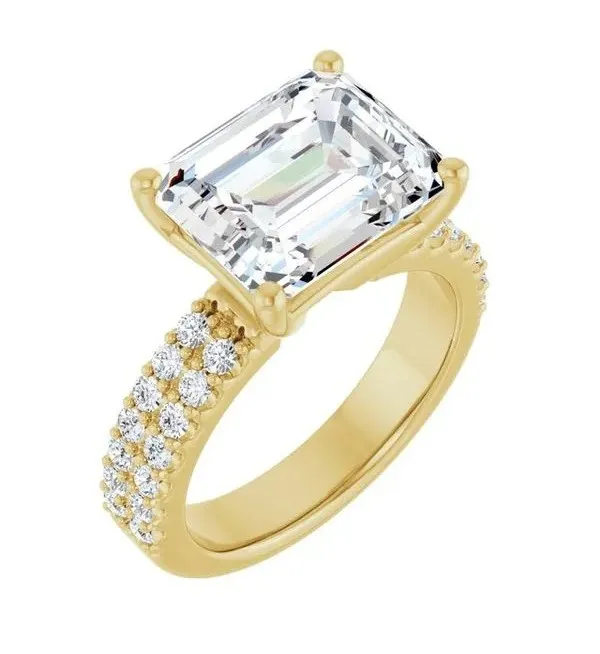
Here’s a snapshot of what people are paying and how that fits into ranges:
As mentioned, the average engagement ring cost in the U.S. is often cited around $5,200. (The Knot)
Another survey shows consumers average $5,500 and many spend in the $2,500–$10,000 range. (Rapaport)
Some reports peg averages even higher in 2025 (e.g. $6,527), especially in high-cost states. (LiveNOW)
A financial analysis cites a typical spend of $6,351 for a 1.2 ct center stone ring. (Financial Samurai)
Yet many couples spend far less and are entirely satisfied—value is relative.
These numbers confirm that your ideal budget might be below, near, or above the “average”—which is okay, as long as your decision is yours.
7. Mistakes to avoid
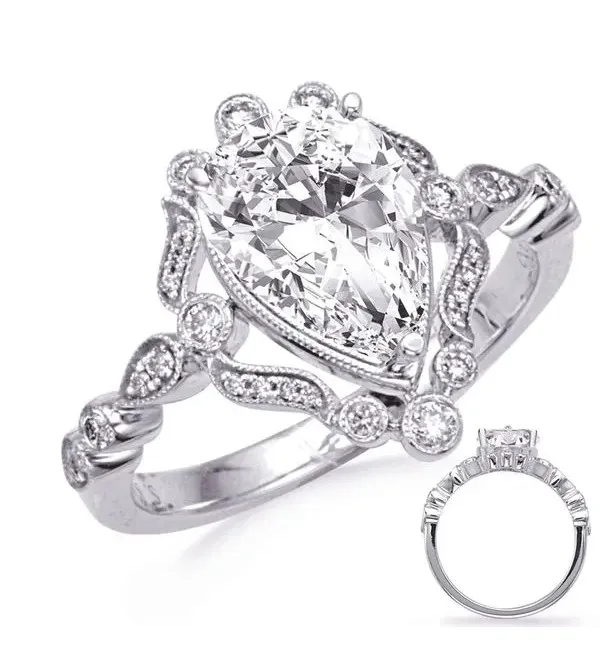
Here are pitfalls many buyers run into—and how you can steer clear:
Chasing carat size over quality. A big stone with poor cut or clarity is often less beautiful in person.
Not comparing total cost. Many rings have hidden premium addons (engraving, shipping, setting fees).
Neglecting wearable comfort. Some rings are bulky or impractical for everyday life.
Overstretching your budget. Don’t start married life under financial stress.
Not verifying certification. Always ask for gem grading, origin, and lab vs natural disclosure.
Relying solely on online visuals. Pictures can misrepresent sparkle, size, proportions.
Skipping aftercare conversation. If resizing, warranty, or cleaning costs aren’t clear, surprises follow.
By being vigilant and asking pointed questions, you avoid regret later.
Conclusion
In this post we’ve explored how much to spend on an engagement ring—covering averages and statistics, methods to set a budget, major cost drivers, practical steps to apply the knowledge, and psychological aspects to keep in mind. You now have the tools to define a ring budget that works for your life, design with confidence, and avoid common mistakes.
If you’d like one-on-one help selecting your ring specs, balancing trade-offs, or designing something special, feel free to call, text, or email Peran & Scannell Jewelers. Let us know if you found this article helpful—we’d love to help you land on a result you’ll treasure.
What kind of ring and budget feels right to you?
Wow. You’re at the moment where you’re thinking, “How much should I spend on an engagement ring?”
It’s a question many couples wrestle with—and for good reason. In the U.S., the average cost of an engagement ring is often cited at $5,200 per recent data. (The Knot) And surveys show that some 29% of purchasers spend between $2,500 and $5,000, while 21% spend $5,000 to $10,000. (Rapaport)
You might well be asking: is there a “right” amount? Or is it subjective, based on financial reality, relationship dynamics, and style preferences?
Key takeaways you’ll learn here:
Practical methods for setting a ring budget that fits your life
How to balance style, quality, and cost in the ring you choose
Steps you can take—before buying—to ensure you get results you’ll love
How a trusted jeweller (like Peran & Scannell Jewelers) can support your process
By the end, you’ll feel confident in defining your own “sweet spot”—neither underwhelmed nor overstretched—and able to act toward getting an engagement ring you’ll cherish.
1. Why the “average” number doesn’t have to dictate your spend
When you read “average $5,200,” you might feel pressure—like that’s a target you must hit. But averages are just snapshots of broad data; they don’t know your situation.
Here’s what to keep in mind:
Averages mask extremes. Some rings cost a few hundred; others go into six or seven figures.
Location matters. In high-cost regions, average spend is often higher. (World Population Review)
Your finances and priorities matter more. What feels comfortable should weigh more than what others spend.
The “rules” (e.g. three-months’ salary) are marketing myths. Many experts now reject them. (American Express)
Trends shift. Lab-grown diamonds are bringing fresh flexibility into budgeting and design.
So: think of “average” as a ballpark, not a mandate. Your best budget is the one you can afford without regret or stress.
2. Methods to decide your engagement ring budget
Here are several methods you can use (alone or in combination) to define a budget you feel good about:
1. Income-based method
You might choose a percentage of your gross or net income you’re comfortable spending (e.g. 1–3 %). This is more realistic than the “three-months’ salary” rule many deem outdated. (American Express)
2. Expense-first method
Subtract your planned wedding, honeymoon, home, savings goals, debt payments, etc. from your disposable budget. Use the remainder for your ring (or decide what portion you’re willing to allocate).
3. Prioritization method (“swap and save”)
Decide which features (stone size, setting design, metal choice, brand name) matter most to you. Then trim or simplify in lower-priority areas to free up budget for what you care about most.
4. Tiered benchmarking method
You can bracket tiers (e.g. “entry,” “mid,” “premiere”) based on what your local jewellers offer, test ring options at those tiers, and choose the one where you feel the most satisfaction for the price.
5. Co-design planning
If you’re buying together (or want partner input), sit down and set a comfortable range together. Transparency helps avoid surprises and ensures the ring aligns with shared values.
Once you pick a method (or blend), you have a concrete number or range to guide design decisions.
3. What influences how much you’ll actually spend
Knowing what drives cost helps you make smarter trade-offs. Key factors include:
The center stone (or focal gemstone)
Carat (size), cut quality, color, clarity are major cost drivers
Whether stone is natural or lab-grown (lab options often cost less)
Setting style
Simple solitaire settings cost less than halo, pavé, three-stone, or intricate designs
More craftsmanship, metal weight, and customization raise cost
Metal type and weight
Platinum, high karat gold (18K) are costlier than 14K gold or mixed metals
Heavier bands or antique styles require more material/skill
Brand, designer, or customization markup
Brand reputation, exclusive designs, custom tweaks add fees
But customization can also let you get more value in areas you care about
Additional diamonds or accents
Side or accent stones, pavé work, milgrain, engraving all add to cost
Jeweller overhead, warranty, and services
Local shops (like Peran & Scannell Jewelers) provide quality assurance, sizing, adjustments, aftercare—some of which justify higher price
Market and supply dynamics
Commodity costs (gold, platinum), tariffs, supply constraints can push prices
Trends like rising demand for lab diamonds shift cost structure over time
When deciding, always ask the jeweller to break down how your money is being spent. That transparency gives you power.
4. Practical steps to get the best outcome
Here’s a tactical plan you can follow to apply the above insights and arrive at a ring you’ll love:
Step A: Set your budget range
Use one or more of the methods above to pick a comfortable minimum and maximum
Include a buffer (e.g. 5–10 %) for surprises or upgrades
Step B: Visit trusted local jewellers (or book consults)
Bring your budget range and ask to see rings in that spectrum
Ask for sketches or physical mockups when possible
Talk through trade-offs: e.g. “If I drop clarity one grade, what do I gain elsewhere?”
Step C: Request full breakdowns
Ask them to itemize how much of the cost is stone vs setting vs labour
Ask if customization or design changes will incur additional costs
Step D: Consider lab-grown or alternative gemstones
Lab diamonds often let you increase size or quality for the same money
Other gemstones (moissanite, sapphires, etc.) might offer distinctiveness at lower cost
Always check certification and durability
Step E: Try on multiple rings
Your eye should guide quality more than specs. Try rings in natural light.
Wear for a few hours if possible to test comfort
Step F: Discuss sizing, warranties, and aftercare
Confirm resizing policies (cost, limit, time)
Check maintenance, cleaning, or repair plans (some shops bundle these)
If needed, plan for insurance or ring appraisal
Step G: Make the purchase decision
Once you settle on the ring that maximizes your satisfaction within your budget, make the purchase
Keep all documentation: receipts, certificates, design specs
Throughout this, a jeweller experienced in engagement rings (like Peran & Scannell Jewelers) can act as your guide—helping you avoid traps, align trade-offs, and land on a result you’ll love.
5. Psychological & relational considerations
Beyond dollars and diamonds, your decision affects emotional and relational dynamics. Keep these in mind:
Avoid comparing your ring spend to friends or media images—they often don’t share your priorities or situation
Communication matters. If your partner expects input or has preferences, invite their involvement
Emotional value vs money value. Sometimes a thoughtful design or meaningful detail matters more than carat size
Respect for debt and long-term goals. Overspending to “prove love” may create strain later
Flexibility for future upgrades. Some couples start with one ring and later upgrade without starting fresh
In short: the “right” spend is one that feels generous, meaningful, and aligned—not one that causes stress.
6. Real-world cost ranges & statistics
Here’s a snapshot of what people are paying and how that fits into ranges:
As mentioned, the average engagement ring cost in the U.S. is often cited around $5,200. (The Knot)
Another survey shows consumers average $5,500 and many spend in the $2,500–$10,000 range. (Rapaport)
Some reports peg averages even higher in 2025 (e.g. $6,527), especially in high-cost states. (LiveNOW)
A financial analysis cites a typical spend of $6,351 for a 1.2 ct center stone ring. (Financial Samurai)
Yet many couples spend far less and are entirely satisfied—value is relative.
These numbers confirm that your ideal budget might be below, near, or above the “average”—which is okay, as long as your decision is yours.
7. Mistakes to avoid
Here are pitfalls many buyers run into—and how you can steer clear:
Chasing carat size over quality. A big stone with poor cut or clarity is often less beautiful in person.
Not comparing total cost. Many rings have hidden premium addons (engraving, shipping, setting fees).
Neglecting wearable comfort. Some rings are bulky or impractical for everyday life.
Overstretching your budget. Don’t start married life under financial stress.
Not verifying certification. Always ask for gem grading, origin, and lab vs natural disclosure.
Relying solely on online visuals. Pictures can misrepresent sparkle, size, proportions.
Skipping aftercare conversation. If resizing, warranty, or cleaning costs aren’t clear, surprises follow.
By being vigilant and asking pointed questions, you avoid regret later.
Conclusion
In this post we’ve explored how much to spend on an engagement ring—covering averages and statistics, methods to set a budget, major cost drivers, practical steps to apply the knowledge, and psychological aspects to keep in mind. You now have the tools to define a ring budget that works for your life, design with confidence, and avoid common mistakes.
If you’d like one-on-one help selecting your ring specs, balancing trade-offs, or designing something special, feel free to call, text, or email Peran & Scannell Jewelers. Let us know if you found this article helpful—we’d love to help you land on a result you’ll treasure.
What kind of ring and budget feels right to you?