
Introduction
Did you know that diamonds, despite being famously “forever,” actually can melt? It may sound impossible, but science says otherwise. According to research, carbon—or diamond—doesn’t simply vanish under heat; given the right conditions, it transitions to a liquid state at extremely high temperatures, typically above 4,500 °C. ☸ In this post, I’ll walk you through what “melting of diamond” really means, the jaw-dropping temperatures involved, and whether will diamonds melt is something you—or I—should even worry about. You’ll learn:
What “melting diamonds” entails, and why it’s so rare
The fiery stats behind diamond melting temperature and risks of burning or sublimation
How Peran & Scannell Jewelers can guide you when you wonder whether diamonds can melt and help assess risks or damage
Let’s jump in.
1. What Does “Melting Diamond” Actually Mean?
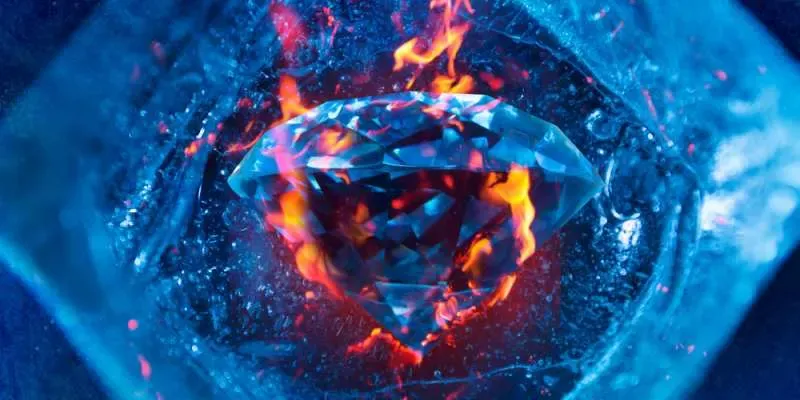
When you ask can a diamond melt, you’re diving into carbon’s behavior under extreme heat and pressure. Here’s the low-down:
Metastable at room pressure – At normal conditions, diamond isn’t the most stable form of carbon; graphite is. If heated without enough pressure, diamond turns into graphite before melting. ☸ ☸
Extreme conditions needed – To actually melt a diamond—to form liquid carbon—you need pressure in the range of ~100,000 bar and temperatures around 4,500 °C. ☸
Experimental data – Shock-compression tests reveal that under ultra-high pressures (0.6–1.1 TPa), diamond melts at temperatures up to about 9,200 K (≈9,000 °C)—far beyond any natural or household scenario. ☸
So if you’re wondering will diamonds melt, the answer is: yes—but only under extremely extreme conditions, typically only achievable in specialized laboratories.
2. Diamond vs. Burn or Sublime: What Actually Happens First
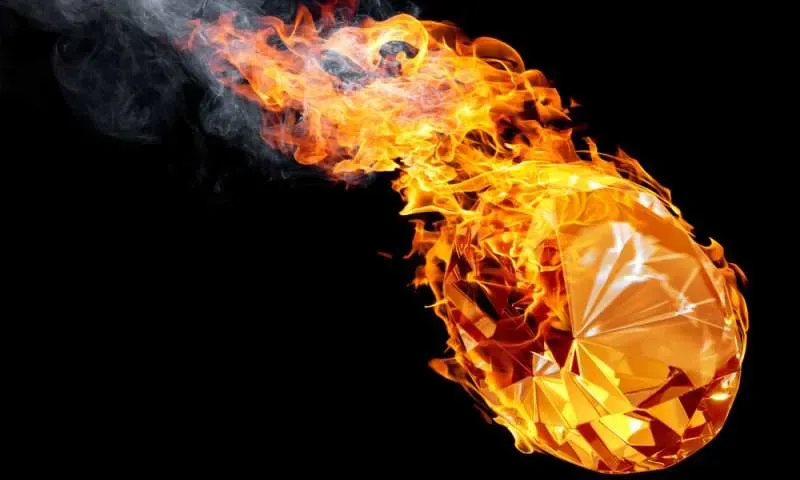
In real-world settings (like ovens, fires, or even lava), diamonds face different fates:
Burning – In the presence of oxygen, diamonds begin oxidizing at around 900 °C, turning into CO₂ rather than melting. ☸
Sublimation – Under normal pressure and without oxygen, diamonds don’t melt but sublimate—going directly from solid to gas—around 3,550 °C. ☸
Practical heat sources – Household ovens or even campfires max out around 1,200 °C, well below diamond’s destruction point. So while jewelry may suffer from heat-related damage like cracking or color changes, actual melting or burning is unlikely in everyday life. ☸
So, if you’ve been nervous—relax: in most cases, can diamonds be melted is a theoretical question, not a real risk.
3. Why Those Numbers Matter: The Science You Can’t Ignore
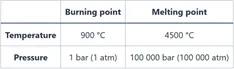
Let’s break down the key stats:
Melting diamond requires:
~4,500 °C and ~100,000 bar. ☸
Or ~4,030–4,430 °C with 100× ambient pressure, again forming liquid carbon—not diamond—under extreme pressure. ☸
In planetary-like conditions (0.6–1.1 TPa), melting occurs around 9,000 K (≈9,000 °C). ☸
Bottom line: If you're picturing a “melted diamond,” you're likely imagining sci-fi—not something happening in fires, jewelry shops, or natural volcanic hotspots.
4. What Should You Do? How Peran & Scannell Jewelers Can Help
If you’re worried about overheating your diamond—maybe due to jewelry repair, resizing, or an emergency—here’s what I’d recommend:
Don’t panic – Diamonds don’t melt under normal heat. ☸ But they can burn, crack, or discolor if exposed to high temperatures (~900 °C or when set with heat treatments). ☸
Consult experts – At Peran & Scannell Jewelers, we understand the science of diamond melting temperature and the actual risks. We can assess your piece, recommend safe handling, and explain exactly under what circumstances will diamonds melt or get damaged. ☸
Preventive measures – Proper precautions during repairs or cleaning—like heat shields and controlled torches—ensure your diamonds remain intact and brilliant.
So, while melting of diamond is a fascinating science story, Peran & Scannell is here to make sure the practical, everyday care of your diamond stays safe and clear.
5. Quick Recap— “Can Diamonds Melt?” Table
Question:Can a diamond melt?
Answer Summary:
Yes—but only at extreme pressures (100k bar to TPAs) and high temps (~4,500–9,000 °C)
What happens first?
Under normal pressure, they burn (~900 °C) or sublime (~3,550 °C), not melt
Is melting likely in real life?
Not at all—only in advanced lab or planetary conditions
Can Peran & Scannell help?
Absolutely—we guide you through risk, care, repair, and scientific clarity
Conclusion
In short: will diamonds melt? Yes—in a lab, possibly even within planet cores. But here on Earth, in your jewelry or home, melting is nearly impossible. Diamonds will resist, burn, or crack before ever turning liquid. If you're ever wondering can diamonds be melted, or just how hot your gem can handle, reach out to Peran & Scannell Jewelers. We’d be happy to help you understand those extreme melting diamond myths and ensure your gems stay radiant—today and forever.Let us know how we can help